

Meet The City Law School’s Bar students fighting for justice on America’s death row…
From studying for the Bar at The City Law School (CLS) to working alongside capital defence lawyers in Mississippi, Avi Sanjay’s journey has taken her far beyond the classroom. During her time at City, Avi was selected as one of a small group of student barristers to join CLS’s award-winning Death Penalty Casework Clinic, founded in 2021 by Associate Professor Nikki Walsh, in partnership with leading UK charity Amicus ALJ. Through the Clinic, Avi gained hands-on experience undertaking real legal casework for American lawyers representing people facing the death penalty, an experience that would ultimately take her to Jackson, Mississippi, for three months of frontline capital defence work.
Here, Avi shares her experiences of working for Amicus on high-stakes US capital cases, both in London and on the ground in America’s Deep South.
Avi, what first attracted you to the City-Amicus Death Penalty Casework Clinic as part of your Bar training?

I have always been interested in the legality of the death penalty in the United States, particularly as it remains the only Western country to retain it. My previous work at the Islamophobia Response Unit, where I saw first-hand how racial and religious prejudice can affect access to justice, also made me keen to build on my pro bono experience.
The City-Amicus Death Penalty Casework Clinic offered a unique opportunity to bring these interests together and explore the intersection of criminal law, public law and human rights through real cases. CLS is the only law school in the UK that offers its students the chance to work for Amicus on US death penalty cases as part of your qualification as a barrister, so I grabbed the chance.
What part of the Clinic had a lasting impact on you, and what did it teach you about capital defence?
I hadn’t fully appreciated just how much work goes into preparing a capital defence case until I joined the Amicus Clinic. My role involved reviewing and redacting documents and preparing digests for the American legal team. We divided thousands of pages between us, many containing distressing details, including prison records and post-mortem reports. The sheer volume and nature of the material made me realise how demanding capital defence work can be, particularly for small, underfunded legal teams working to tight deadlines.
This experience in London inspired me to later move to Mississippi to support the team on the ground as a volunteer intern for three months. I wanted to see first-hand how capital defence work is managed in practice.
You mention that after completing the Clinic as part of your Bar studies at CLS in London you undertook an Amicus placement, spending three months interning for death penalty lawyers in Jackson, Mississippi. What was it like moving from working remotely in London to being part of a defence team on the ground in the USA’s Deep South?
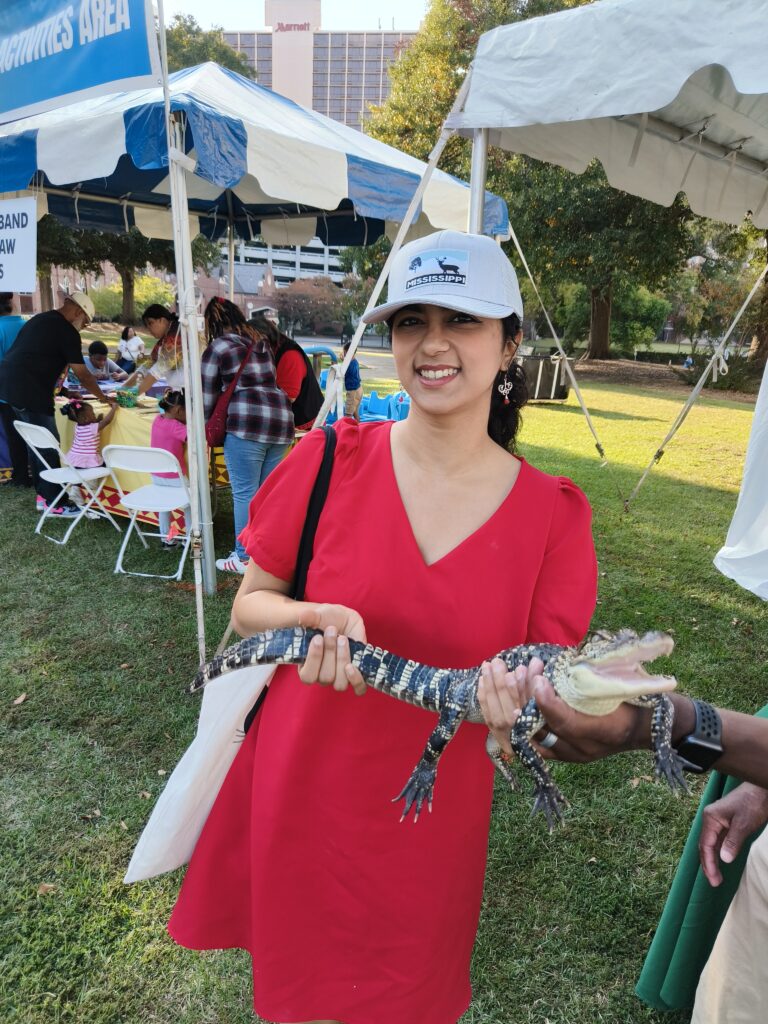
Moving from London to Mississippi was a big adjustment. I left my job and moved to a place with a very different culture and legal system. Initially, I struggled with unfamiliar legal terminology, accents and the fast pace of work. Meeting our defendants was particularly significant. Having worked on their cases virtually during the Clinic, I was now meeting the people behind the documents. It reminded me that every piece of work concerned a real person and could directly affect their case.
As I settled in, I became part of the pre-trial team, spending weeks on individual cases alongside attorneys and mitigation experts. This gave me a deeper understanding of capital defence work, how each task contributed to the overall strategy, and the importance of building relationships with colleagues and clients.
By the end of three months, Mississippi felt like a second home. I had become part of the team, made close friends and found it difficult to leave. I remain in touch with the wonderful people I met there and hope to visit again soon.
Describe three standout experiences from your time in Mississippi.
First up, my first court hearing in Mississippi. This took place in Forrest County, named after Nathan Bedford Forrest, the first grand wizard of the Ku Klux Klan. As I entered the building, I became aware that everyone else – the judge, lawyers, police officers, defendant, and the victim’s family- was white. I was the only person of colour in the courtroom, and I have never been more conscious of standing out.
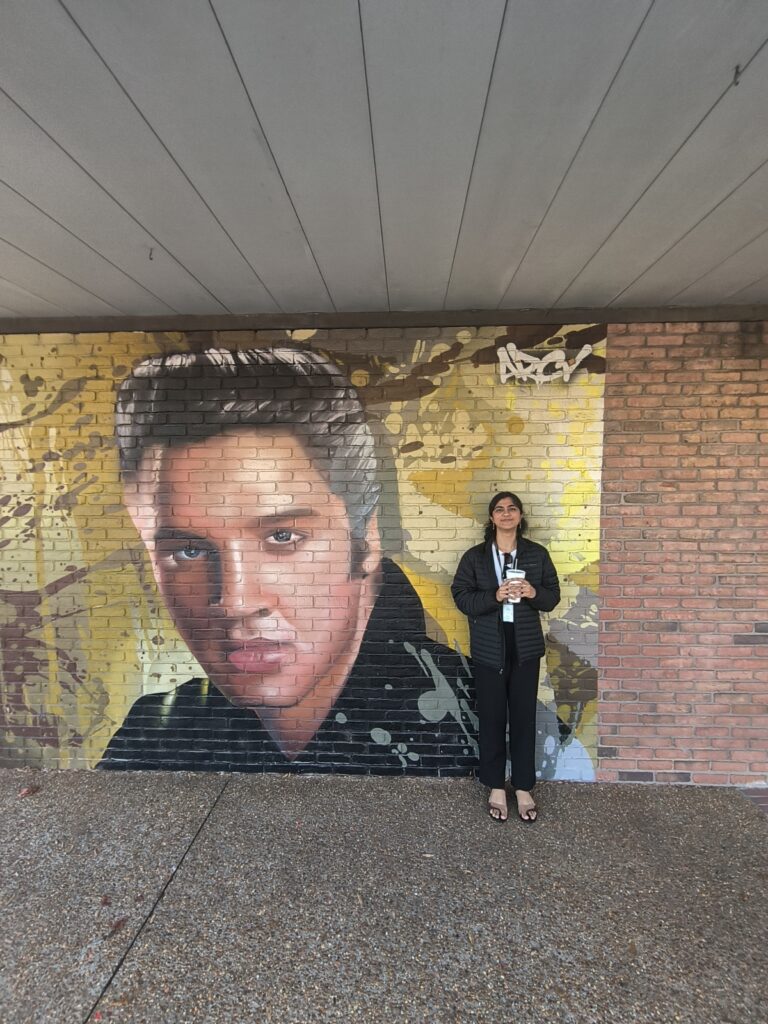
Next, and equally memorable, was visiting my first client on death row. Before I went to the prison, I had closely studied the case file, including crime scene photographs and post-mortem reports, but I was apprehensive about how he would react to someone new and foreign joining his legal team. My fears were unfounded. He was friendly, open and willing to discuss his case and, as we were almost the same age, we quickly built a good rapport. This experience taught me to approach every client with an open mind.
Finally, a highlight outside of the long hours in the office was the Mississippi National Folk Festival. Having spent the first month of my internship immersed in cases, I had barely explored Jackson until my neighbour invited me along. I enjoyed concerts, learnt to make a traditional beaded bracelet from members of a Native American community, and was struck by how welcoming everyone was. I made lasting friendships and stayed in touch with several people after returning to London.
Looking back, how did your experience in CLS’s Amicus Death Penalty Casework Clinic prepare you for your internship on the ground in Mississippi?
Undertaking 12 months of Clinic casework for Amicus and Nikki’s mentorship provided an essential foundation for my internship in Mississippi in two key ways.
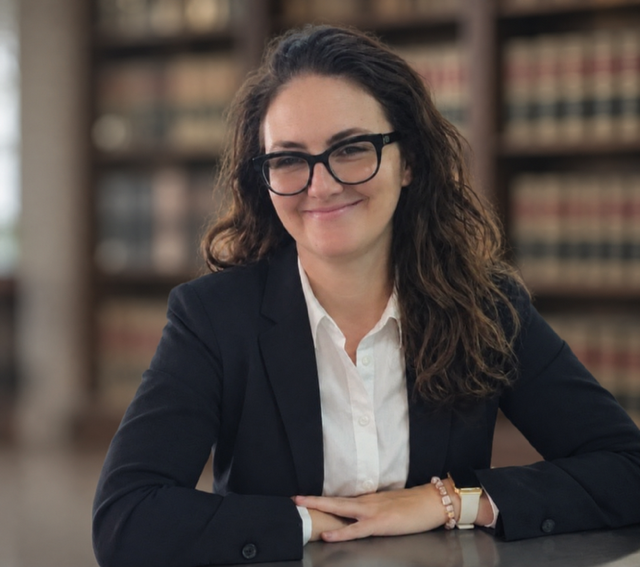
First, it prepared me for the demanding and often distressing nature of capital defence work. One of our Clinic cases involved child abuse, and the material was particularly difficult to read. Discussing this with Nikki and my fellow students helped me process what I was seeing while remaining focused and professional. This proved invaluable experience for when I was when handling similar material later in Mississippi.
Second, the Clinic gave me a strong grounding in the American legal system. Before being allowed to work on cases, Nikki requires her Clinic students to complete two full weekends of training with Amicus, covering US law, the death penalty and the realities of working on capital cases. I was especially grateful for this rigorous preparation when I interned in Mississippi. It gave me the knowledge and confidence to hit the ground running and contribute meaningfully to the legal team from day one.
Congratulations! You have now secured pupillage in London. How did your involvement in death penalty casework help you as an aspiring barrister?
Working for the Clinic at City followed by my internship in Mississippi really helped me stand out from the crowd during pupillage interviews. Rather than simply talking about my skills, I could give real examples of working under pressure on high-stakes cases, handling sensitive information and collaborating with a legal team.
I also developed a great deal of confidence as a fledgling lawyer. After meeting clients facing the death penalty, speaking with their families and dealing with distressing evidence, professional interviews suddenly felt a lot less intimidating.
What would you say to current or prospective Bar students who are considering joining the City-Amicus Death Penalty Casework Clinic?
Take the opportunity! ! Where else can you get the chance to work on death penalty cases in the USA whilst studying for the Bar in London?
The Clinic is one of the most competitive to get a place with and the cases you are working on are challenging. You cannot miss a deadline. I learnt to stay calm, focused and professional under pressure, and developed skills that proved invaluable throughout the Bar course and during pupillage interviews.
One of the lovely traditions of the Clinic is that former students are invited back as mentors. I graduated from CLS in 2024 and recently returned to meet Nikki’s current Clinic students, talk about my experiences in Mississippi and hopefully inspire them to follow in my footsteps. It was wonderful to come full circle and play my part in a tradition of mentoring student barristers contributing to capital defence work in the USA.
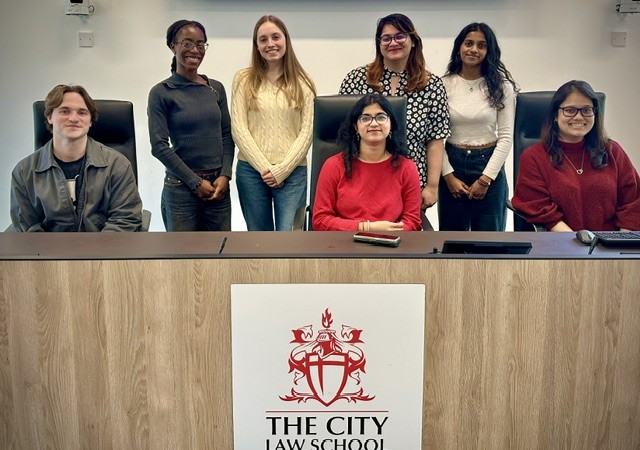
The City- Amicus Death Penalty Casework Clinic was shortlisted for Best Academic Team (picture above with Avi) in the Amicus Champions of Justice Awards 2026. Congratulations to Jack Knollys, Eniola Atere, Julia Budzynska, Ayesha Ameera Memon, Thushiga Karunanithy, and Suhara Chandrasekara!
{NOTE *The City- Amicus Death Penalty Casework Clinic only offers a small number of places each year for selected Bar (BVS) students undertaking the Clinical Legal Education (CLE) module. If you are unable to secure a place, and are interested in supporting their work, Amicus encourages CLS students to drop them a line and get involved directly here.}