
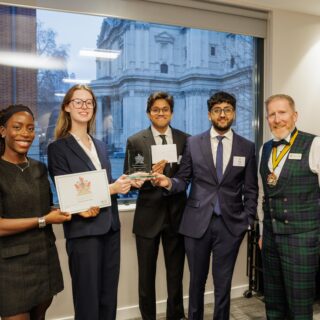
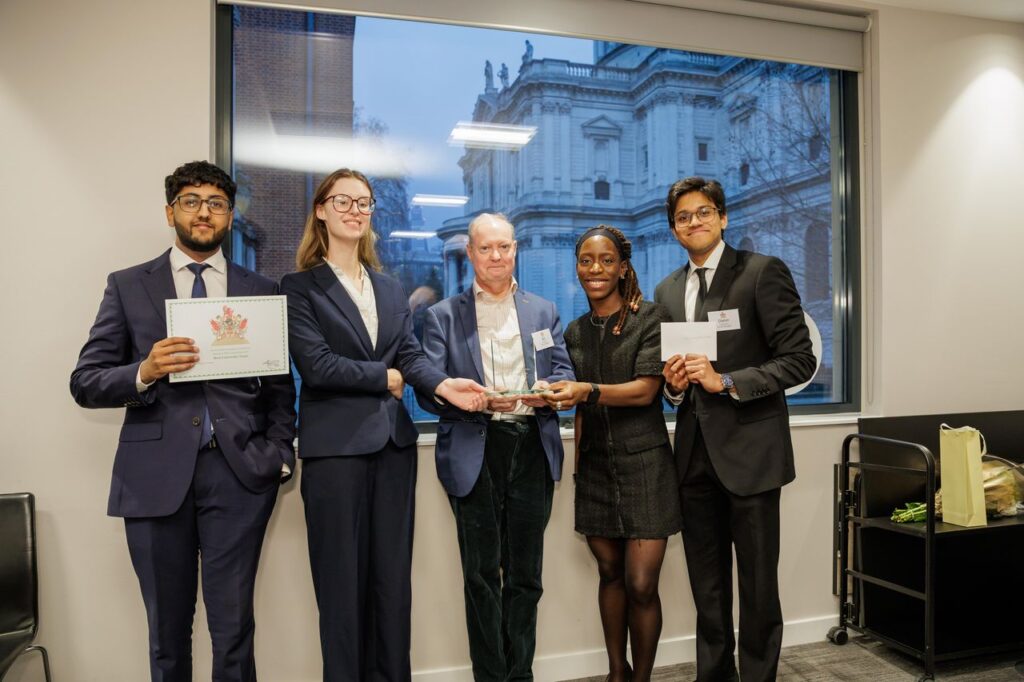
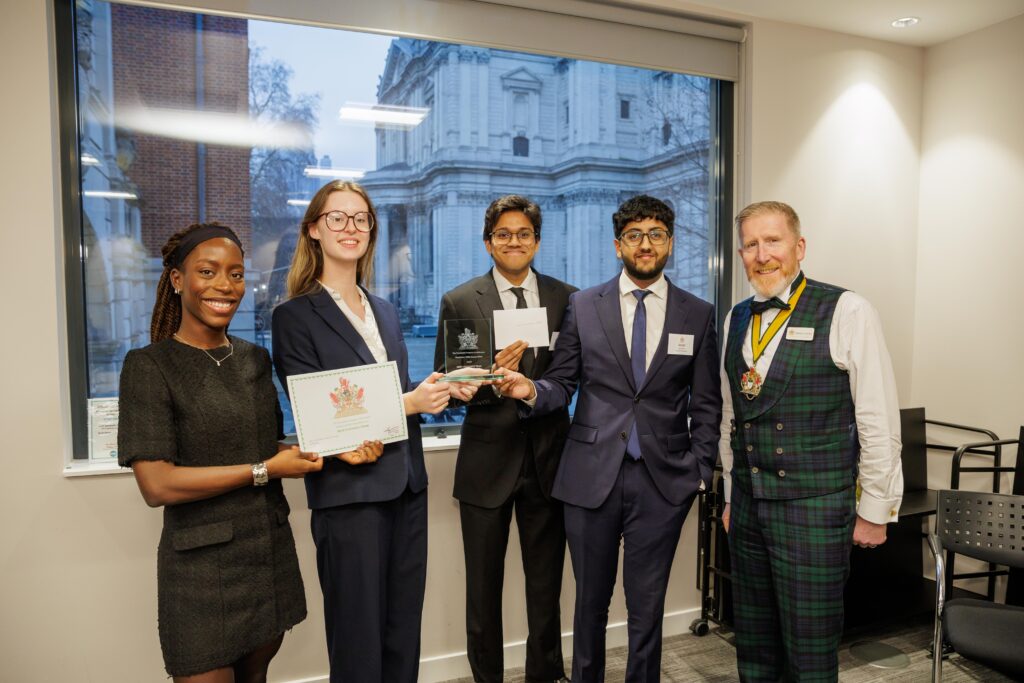
A team of City students (Danin Arun, Eniola Atere, Asad Khan and Eva Stuart) were named ‘Best University Team’ at the recent UK Mediation Skills Competition. Here we hear from Senior Lecturer and team coach Bill McKay and then we have a Q & A with BVS student Danin, one of the team. Finally, another team member, Asad, gives us his reflections on the experience.
View from Bill
It was a delight to have coached the City Law School team which achieved success at the Mediation Skills Competition in London over the weekend of Saturday 24th and Sunday 25th January 2026, organised by the Worshipful Company of Arbitrators. The City team won the ‘Best University Team’ trophy.
In addition to gaining this recognition for their efforts, another real benefit for the team was the experience they gained from playing the parts of a client and client’s representative in mediations involving realistic civil and commercial dispute scenarios. All in the presence of world renowned mediators and judges who they were also able to network with.
Various officials at the event provided feedback that Asad, Danin, Eniola and Eva did very well indeed against not only other university teams but also teams from law firms and barristers’ chambers. Indeed their very first round in the competition was against the Law Commission.
Our thanks too to Nadia Nasir, an undergraduate student at City, who made a valuable contribution to helping the team prepare by being a very good ‘sparring partner’ for them in practice sessions prior to the competition.
Q & A with Danin
What are you studying at City?
Bar Vocational Studies Programme (Full-Time)
How did you first hear about the competition?
Through the Mooting Moodle Page and Mediation Talk hosted by Mr. Nigel Waddington on campus.
What did the internal selection process involve?
The internal selection process involved submitting a written statement of no more than 250 words to answer the question “With regard to the nature and characteristics of mediation, how and why can the process be beneficial in achieving the best outcome in a dispute for your client?”. This required in-depth knowledge of the spirit and purpose of mediation.
What experience of mediation did the team have in advance?
All my team members had no prior experience of mediation.
Once you had got your place on the team, what prep work needed to be done in advance of the competition? What materials were you provided with?
We received training from Bill and thoroughly practiced each round of the competition as a team. The starting process was reading notes provided by Bill to explain the process of mediation and skills to be developed. This required each team member to study and understand how and when to apply the skills such as case analysis, BATNA’s & WATNA’s (Best and Worst Alternatives to a Negotiated Agreement) and ‘going below the line’ (Understanding the key to form a deal). Each practice session was really helpful to align with the roles of both client and lawyer under the guidance of Bill. This allowed us as a team to develop the teamwork and mediation advocacy flow to demonstrate our skills. In addition, I contacted Mr. Nigel Waddington who directed me to a book named Mediation Advocacy by Andrew Goodman. This book assisted me greatly in understanding the profession and skills. I highly recommend to students to reach out to the staff for their guidance and support.
How did you split the work within the team?
There were 4 rounds in total so we formed two teams of two. As the practice sessions happened, we figured out who fit which role and scenario best. Round one was a consumer and business round which Assad and Eniola understood really well from our practice sessions. Following that, Eva and I took on round 2, which was a medical workplace disagreement. Round three was a neighbourhood wall dispute which Assad and Eniola took. Eva and I took on round 4 (the finals) preparation just in case we made the finals. Despite the separate rounds, each of us helped researched, strategized and critiqued our performance throughout the competition
What guidance did you get from your coach, Bill?
Bill was invaluable to the team. He provided key notes which was super helpful to understand the process and skills for mediation. Following that, he provided guidance and feedback while playing the mediator for each of our practice rounds. During the competition, he was available 24/7 for us to call and request guidance. His support strongly contributed to our success in achieving the best university award.
How much work was involved?
It was an intensive period. Each competition required a mediation plan with summarised strategy involved and in-depth research on areas such as RECC codes, medical practice, surveyor and construction knowledge and even radar systems. Moreover, each practice round and discussion meant we had to update our strategy from feedback. It was an intensive period but highly rewarding way to learn the skills.
How were the 3 days of the competition structured?
- Day 1 included registration, Q&A panel session (‘Ask the Mediator’) and a welcome reception.
- Day 2 included rounds 1 and 2 with an evening reception.
- Day 3 included round 3 and the finals with an award ceremony.
What tasks were involved?
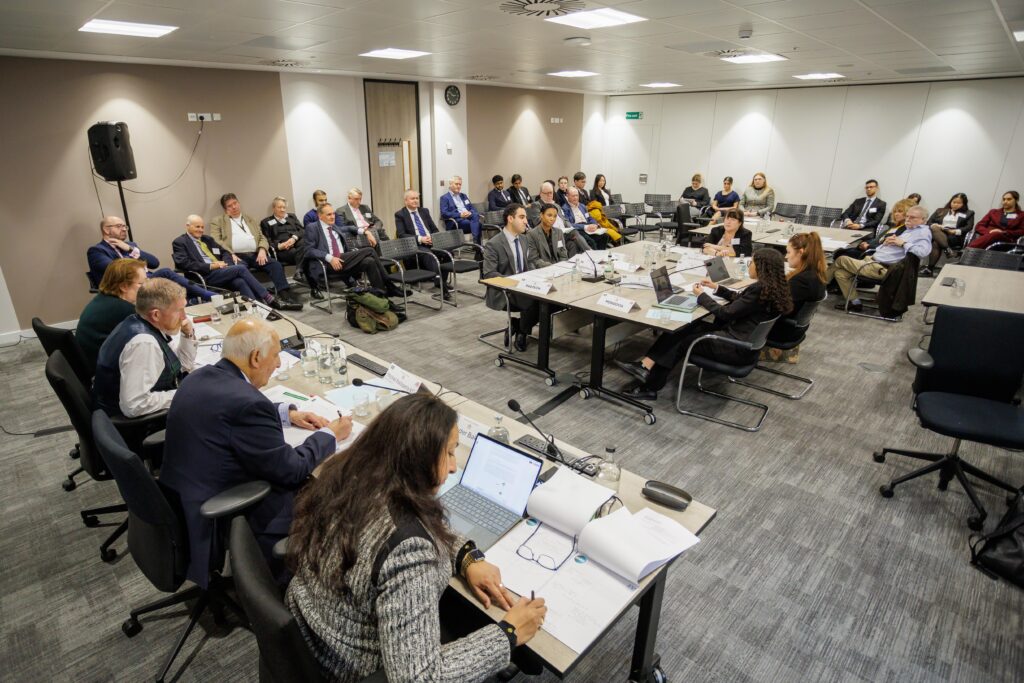
The competition involved several structured tasks. First, teams submitted a written Mediation Plan. During the event, the initial “Settling in” period lasted 5 minutes. Judges then scored the Mediation Plans in private for 10 minutes. This was followed by the core Mediation role-play, after which judges conducted another private scoring session for 15 minutes. The event concluded with a 20-minute feedback session from the judges and the mediator, providing a comprehensive learning cycle totaling 90 minutes of active engagement.
What were the judges like?
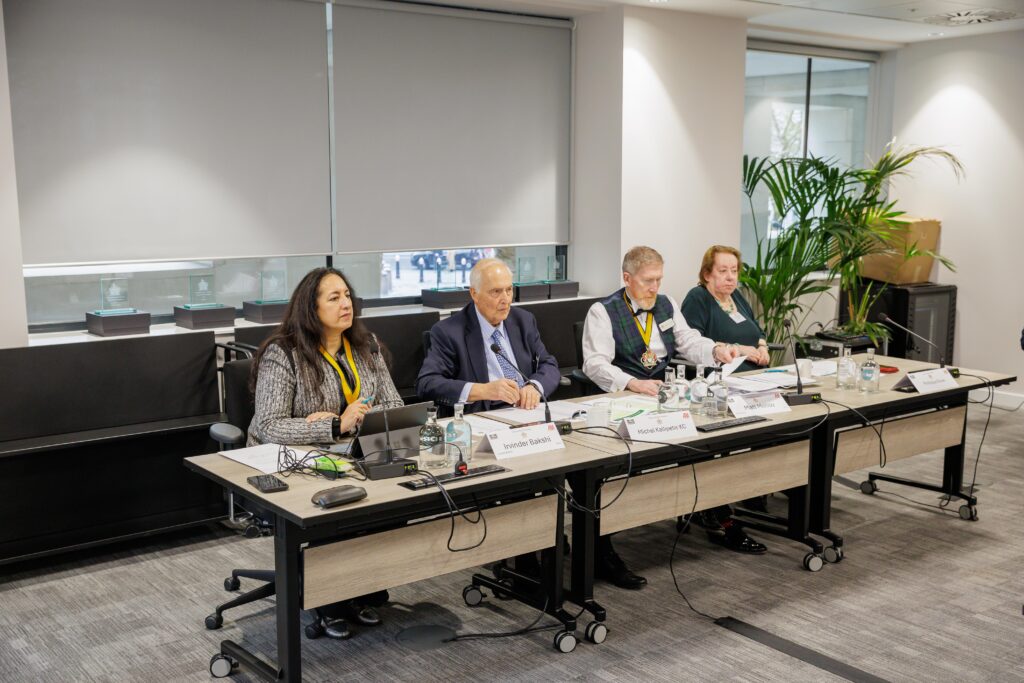
The judges came from a wide range of professions, including accountants, surveyors, and nurses, which brought diverse perspectives to their evaluation of each mediation. Their varied professional backgrounds meant they each viewed the process and skills through a different lens, offering multifaceted and rich insights. This diversity made their feedback exceptionally valuable and created a great learning opportunity for all participants.
Were there good networking opportunities?
Yes, there were excellent networking opportunities. At the end of each competition day, all contestants and judges gathered informally. This allowed for meaningful discussions about mediation as a profession, essential skills to develop, and recommended books to read. These sessions provided a fantastic platform to connect with passionate individuals and build a network within the ADR community.
Did you feel daunted by competing against trainees and pupils?
I was at first. However, it was noted by Bill and mediators that being a trainee or pupil was not a guarantee that they would be better at demonstrating mediation advocacy. As a pupil or trainee, they may be too busy to practice or too ingrained with courtroom advocacy. This was reassuring.
What skills did you all feel you had gained from the whole process?
I gained a comprehensive toolkit of mediation skills. This included core techniques like summarising and active listening to ensure understanding and build rapport, and re-framing statements to reduce confrontation. We practiced various questioning formats (open, closed, launch, “what if”) to guide discussions, and skills like validating emotions and using the flashlight technique to focus on key issues. The process also heightened our awareness of the psychology of mediation, such as identifying underlying needs (acceptance, respect) and using gravitational pull to foster empathy and overcome impasse. Overall, we learned to use caucusing, non-verbal communication, and diplomatic language to manage dialogues and move parties toward settlement.
How do you anticipate this helping towards your future careers?
This experience is a must-do for anyone interested in Alternative Dispute Resolution (ADR). With recent legal shifts, such as the changes referenced in Churchill and Hasley, the legal system is increasingly moving towards these methods. Participating has given us practical, hands-on skills that are directly applicable and will be greatly beneficial for future careers in law, mediation, and any field requiring negotiation and conflict resolution.
What would you say to those contemplating getting involved next year?
I would strongly encourage participation. This competition is a must-do for anyone interested in ADR. While next year’s focus will be on arbitration instead of mediation, the core skills of neutral evaluation, active listening, and structured negotiation are directly transferable and immensely valuable. It is a unique and greatly helpful experience for professional development.
Danin is an aspiring commercial litigation barrister from Malaysia who completed his Law LLB at the University of Nottingham, and who is now pursuing his bar studies at City. He has been able to gain experience in different legal settings, including marshalling in the High Court, assisting with arbitration preparation during a mini-pupillage, and supporting a trade union with employment cases. He has also spent time at a few law firms in Malaysia and Singapore, where he had the opportunity to observe and assist with commercial and corporate work. He is an avid mooter and supporter of social mobility within the law, which is best demonstrated by his experience with City CLAC, BVL moot and as Co-Host & Treasurer of the Widening Participation Nottingham Moot Cup.
Asad’s experience
I really enjoyed the experience of the whole competition. From the weeks leading up, being trained and supervised by Bill, who gave us a real understanding of how mediations work, how to prepare/ approach mediation, how to work as a team, questioning & negotiation techniques and make best use of all resources.
This all fed into the competition itself, where we would be able to implement such techniques. This included the use of the chart in every room to help write out a clear agenda for both parties, referring to it, adding notes, and ticking each topic along the way. We also used what we had learnt to propose creative settlement options; this meant we were thinking outside the box and bringing parties back to a prospect of settlement, even when figures started out so far apart.
On top of this we developed certain cues to communicate as a team without words. When we put one hand on the table it indicated that we wanted to say something and then even if the other member wanted to speak, they would wait. This meant we weren’t talking over each other as much. Additionally, we put two hands on the table when settlement offers by the opposing party seemed reasonable for us to consider, these cues helped us stay aligned.
Our team worked well to delegate tasks and to plan for each round in partners. We also realised as the competition developed that we needed to stick to the criteria we are marked by in order to maximise our marks. This meant also calling for a private session (caucus) with the mediator, which in turn, helped us fulfil the criteria of the ‘use of the mediator’.
Mediation aside, it was also a great pleasure to meet teams from many different universities/ institutes. Furthermore, being able to converse with the top-level mediators/ arbitrators who also served as our judges, was invaluable. Finally, being awarded the ‘Best University Team’ was the cherry on top. It helped solidify our experience there and recognised all our efforts put into the 3 days. It made it even more worth it and ended it in smiles all round.”